
This series contains 5 animated historical maps. For a preview, please consult the map below:
▶ The Mexica or Aztec Empire
Subscribe

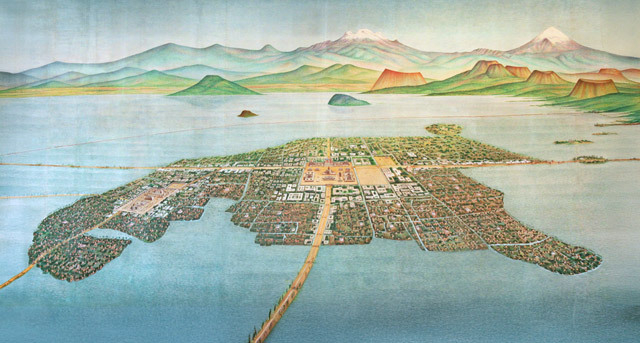
Tenochtitlan-Tlatelolco National Museum of Anthropology, Mexico City
Pre-Columbian or Pre-Hispanic civilizations
This map series focuses on the civilizations that developed in America up until the first contact between Europeans, mainly Spaniards, and the native populations.
At the time, several of these civilizations had developed a high degree of social organization and mastered complex techniques, notably in agriculture and architecture.
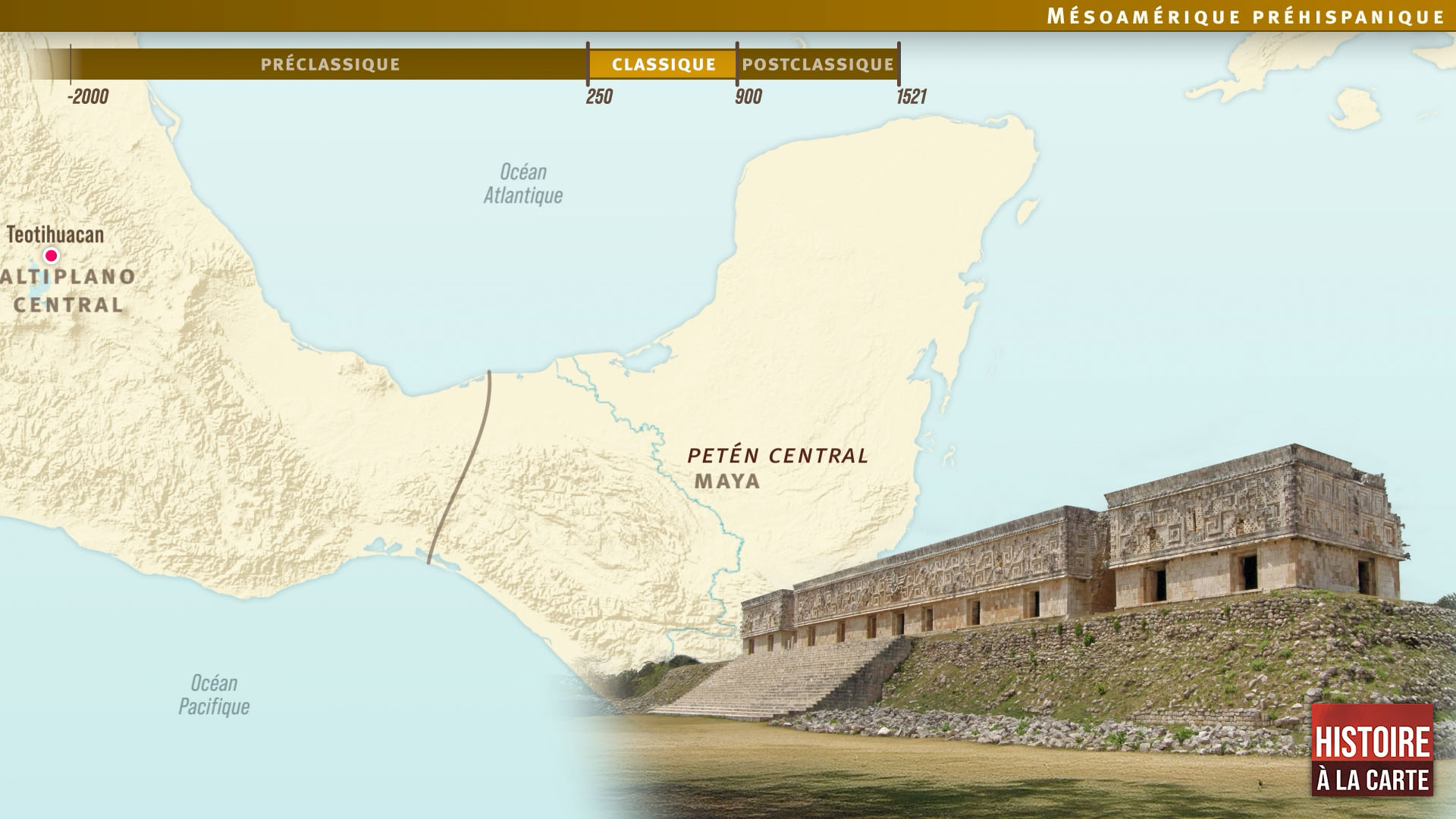
The Pre-Hispanic Mesoamerica
Video extract
In the pre-Hispanic period, Mesoamerica was inhabited by civilizations that shared common traditions and history.
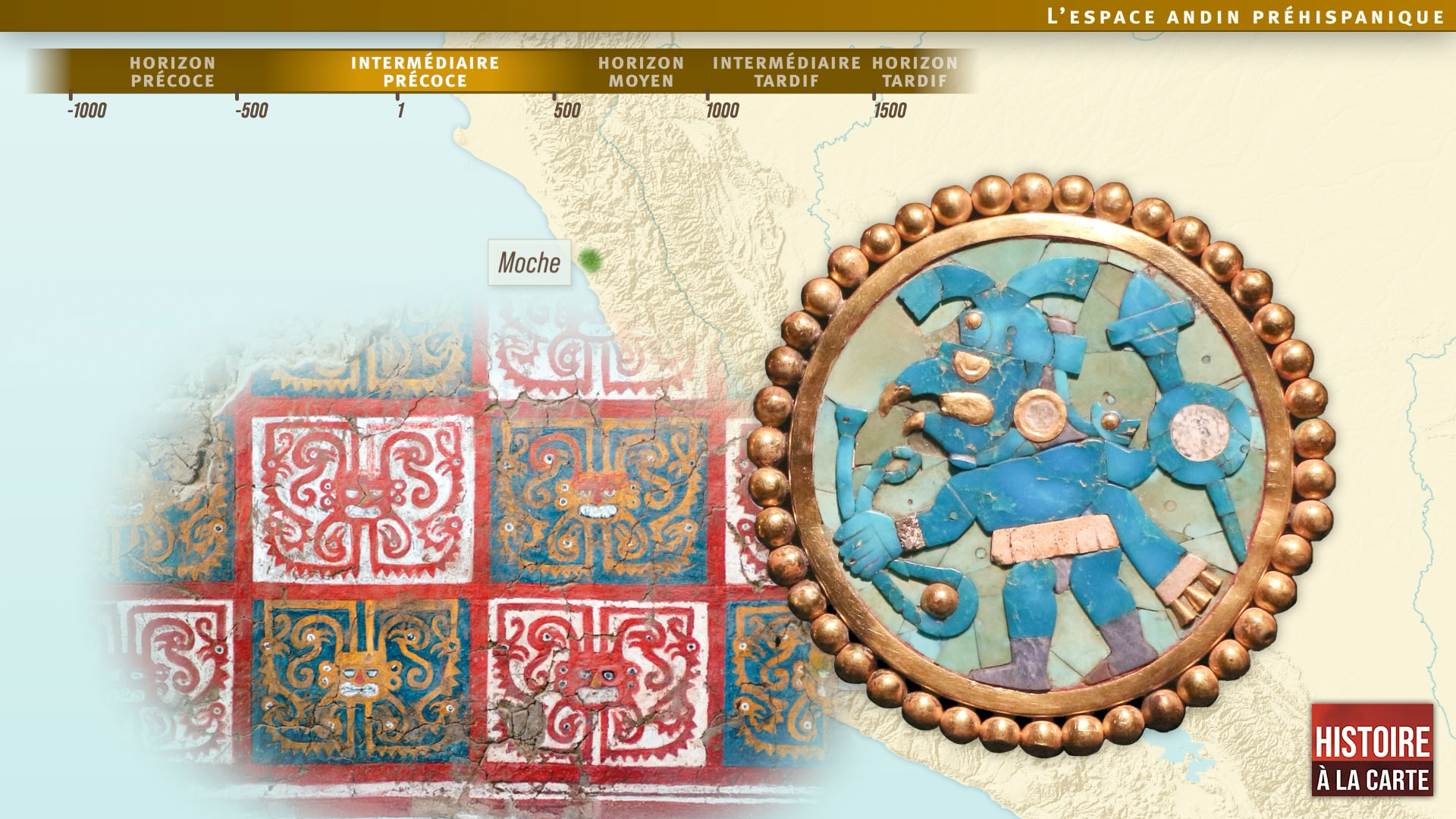
The Pre-Hispanic Andean world
Video extract
The Andean region stretches along the Andes mountains from southern present-day Colombia to central Chile. It encompasses three distinct zones: the coast, the sierra, and a small portion of forest to the east.
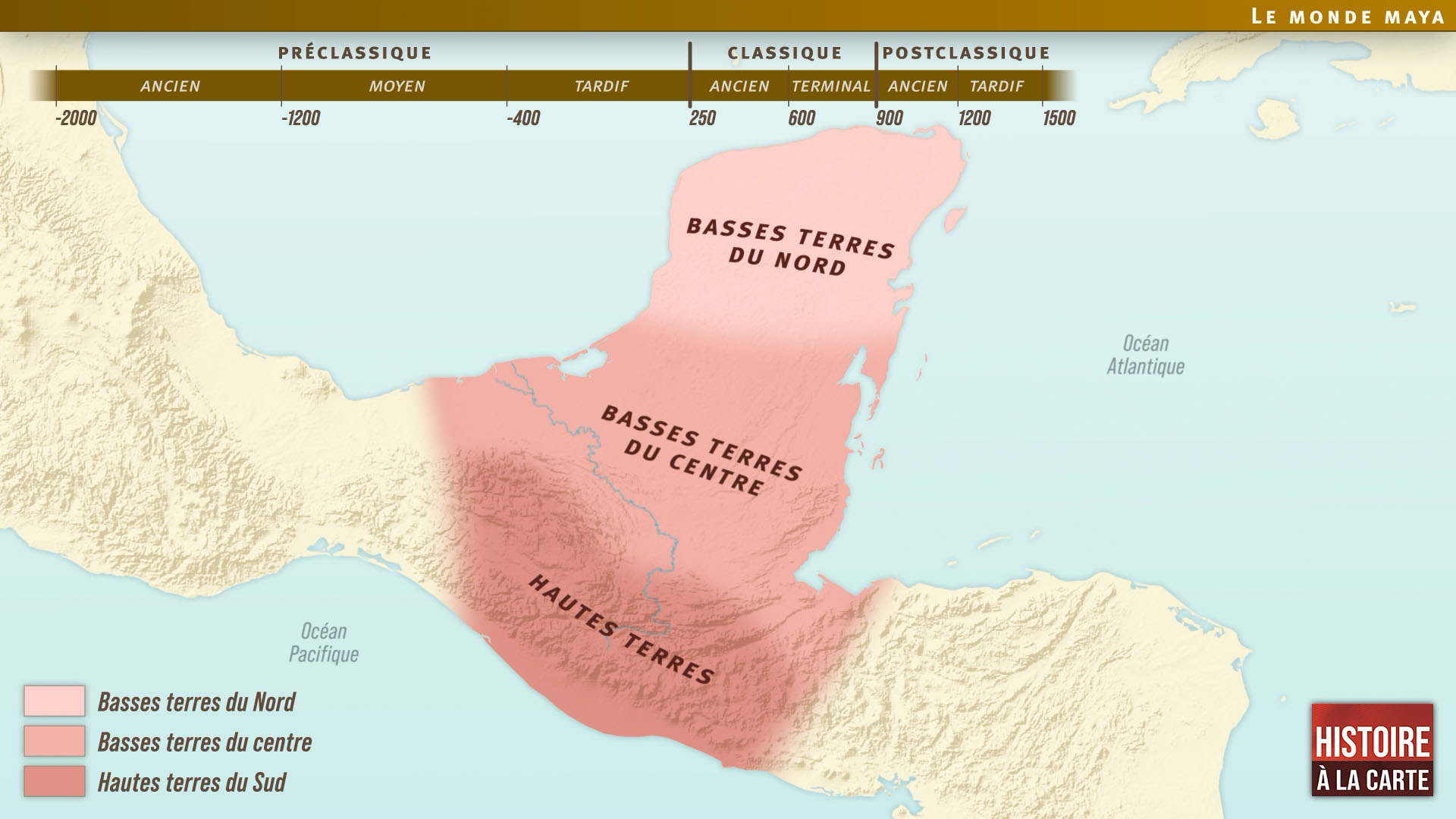
The Maya world
Video extract
The Maya civilization occupied a vast territory spanning present-day Mexico, Guatemala, Belize, Honduras, and El Salvador.
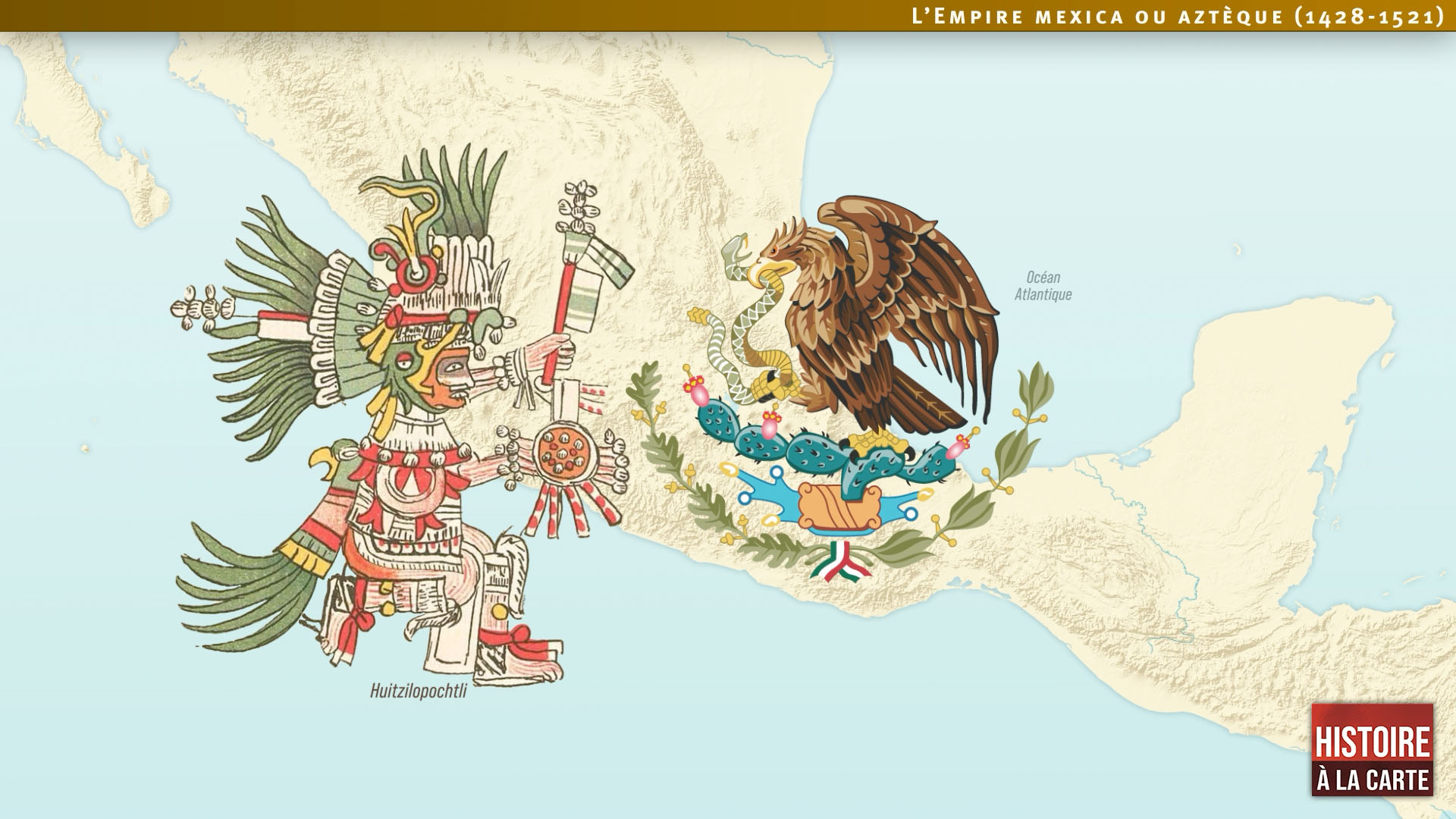
The Mexica or Aztec Empire
Full video
The Mexica, or Aztecs, were one of the Nahuatl-speaking peoples who came from the north starting in the 13th century to settle in the central valley of Mexico, also known as the Valley of Anáhuac.
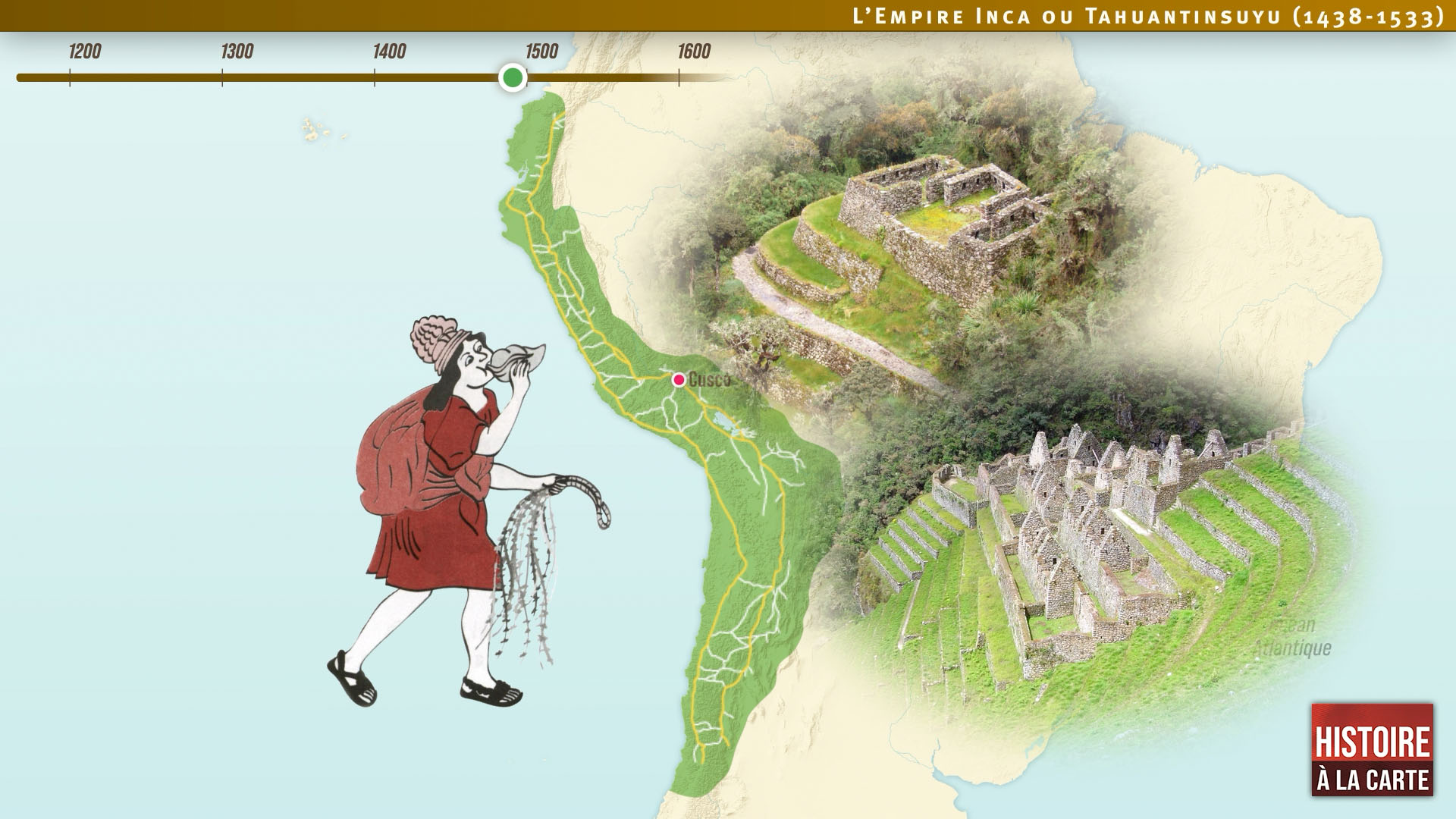
The Inca Empire or Tahuantinsuyu
Video extract
The Inca Empire was the largest empire in pre-Hispanic America. Its distant origins date back to the late 12th century, when Manco Cápac, the first Inca ruler and probably a mythical figure, founded the kingdom of Cusco guided by Inti, the sun god.